
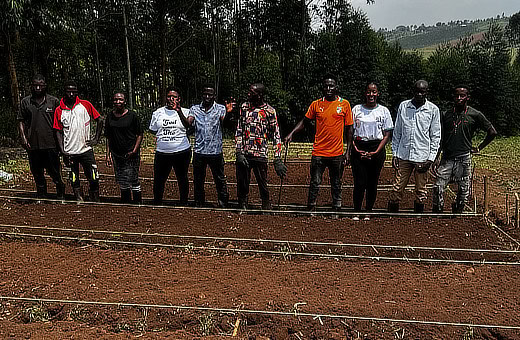
Era92 is a transformative holding company creating pathways to skills, work, entrepreneurship, and economic freedom for Africa’s youth.
For members of Era92, gardening was always a way to produce some food staples for their households, but through their experience with Life Gardens, that’s beginning to change. They’re learning to see food production as a source of more nutritious vegetables, and as a chance to generate income from surplus produce.
The Life Gardens initiative is helping Era92 connect sustainable agriculture to income. By building their knowledge of organic growing practices and applying these techniques in their gardens, members are gaining practical experience that supports both household food production and future income-generating activities.
The Partnership and Life Gardens
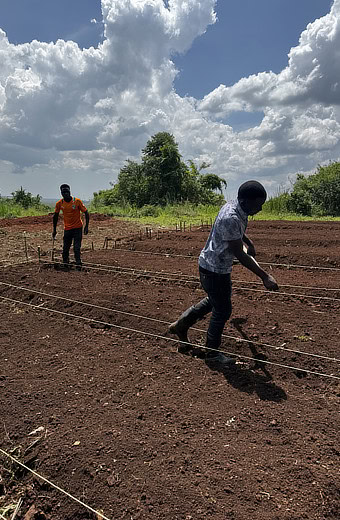
Through its partnership with Thrive for Good, Era92 received practical training in organic agriculture: soil preparation, composting, natural pest management, and sustainable vegetable production.
Thrive provided the Life Gardens methodology, technical guidance, nutrition knowledge, and ongoing support. Era92 applied the practices through its own gardening activities, creating 50 community Life Gardens. The training has helped members understand how healthy soils and the right organic techniques improve the productivity and resilience of their gardens.
Rather than focusing only on the immediate harvest, participants are learning to plan, manage resources, reduce losses, and make decisions that strengthen production over time.
These skills matter as members consider what they can do with produce beyond household consumption. When a harvest produces more vegetables than a household needs, surplus can be sold within the local community.
The Wider Impact
The experience with Life Gardens is encouraging Era92 members to think more deliberately about the economic potential of agriculture. Crop quality, resource management, production planning, and reducing losses are becoming skills relevant to managing an enterprise, not just to gardening.
Carolryn Nkundi, Programs Director, put it this way:
“Today, we see it as the beginning of something much bigger, a pathway to entrepreneurship and sustainable livelihoods.”
Members are also learning through collaboration. They share ideas, encourage one another, and work together to address challenges as they develop their gardening skills.
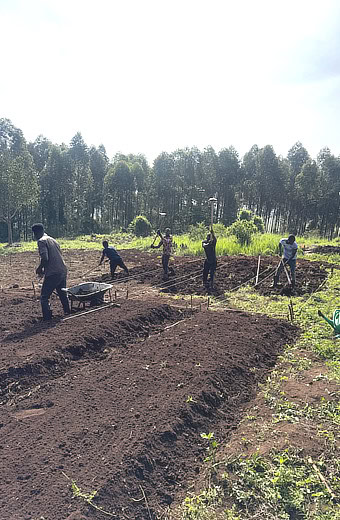
Weather has provided a practical test. From June to August, a period of prolonged dry weather, members kept maintaining their crops, improving their soil, and preparing for the coming rains. Their commitment during the dry period, and their continued use of sustainable organic farming practices, is a sign of real resilience and an emerging capacity to adapt to difficult conditions.
For Era92, these experiences are connecting sustainable food production to broader income goals. The garden remains the foundation: members first learn how to grow healthy food sustainably, then begin exploring how improved production and surplus harvests could contribute to household income.
Looking Ahead
The value of the Life Gardens experience extends beyond a single harvest.
Era92 members are building agricultural knowledge they can keep applying in their gardens, and the group’s collaborative approach gives them a way to share lessons and solve challenges together.
The partnership has given Era92 more than techniques for growing vegetables.
It’s built a practical foundation for members to strengthen food production, develop agricultural skills, adapt to difficult growing conditions, and explore the connection between sustainable farming and future income. The Life Garden remains at the centre: first as a place to grow food, increasingly as a place where members learn what that food can make possible.