
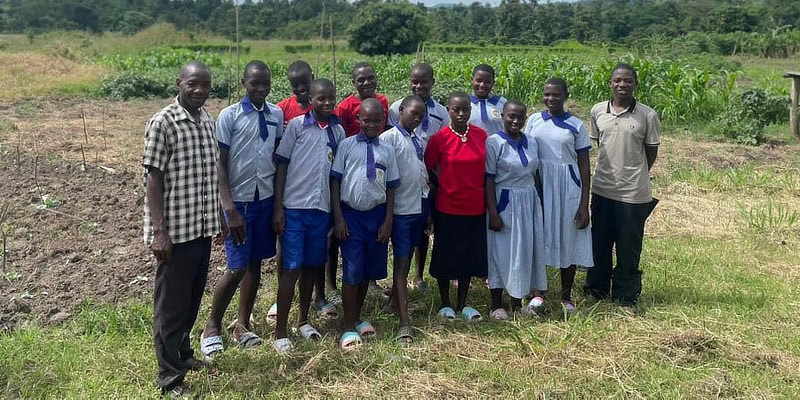
The mission of Acts for Water is to partner with communities so they can embrace the benefits of life-giving clean water, sanitation, and hygiene in Uganda.
They partnered with Thrive for Good to introduce Life Gardens as a way to strengthen food production while promoting responsible water use in the communities they serve.
What began as an effort to help families grow nutritious food revealed a broader lesson: food production, water conservation, sanitation, education, and resilience are closely connected.
The Partnership and Life Gardens
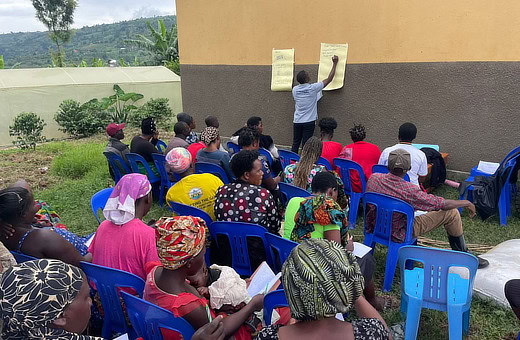
Through the partnership, Acts for Water received training in the Life Gardens methodology, including nutrition-focused gardening techniques and ongoing technical support.
Using this training, Acts for Water established 15 Life Gardens and worked alongside community members and schools to apply the methods locally.
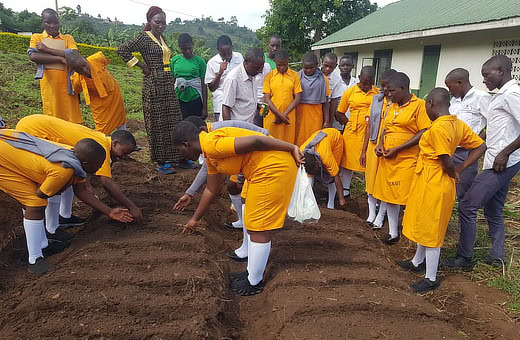
A core focus was helping communities make better use of limited water. Through double dug beds, composting, mulching, and soil improvement, gardeners learned how healthy soil captures and retains moisture, keeping crops growing through extended dry periods while using less water to do it.
A student at Bwesumbu Peas High School put it simply:
“We never knew crops could grow in the dry season. But I am happy that our crops are doing well because of the double dug beds here at school.”
The gardens became demonstration sites where people could see the results firsthand. As confidence grew, many gardeners began helping neighbours start household kitchen gardens and adopt the same water-wise techniques at home.
Water Stewardship and Climate Resilience
Life Gardens improve access to nutritious food, but Acts for Water has seen its greatest impact in water stewardship and community resilience.
Community members increasingly treat water as something to protect, not just consume.
By improving soil health and reducing water loss through mulching and composting, gardeners found ways to conserve water while keeping their gardens productive.
Follow-up visits found all 15 Life Gardens still operational despite extended dry conditions; communities had adapted by expanding mulching and strengthening soil health rather than abandoning the gardens.
The gardens also changed how waste is handled. Organic waste that would otherwise be discarded became compost, improving soil fertility and reducing pollution. Better-kept garden spaces encouraged cleaner surroundings and reinforced the link between healthy ecosystems and healthy people.
Schools have become centres of this change. At Bwesumbu Peas High School, the Life Garden supplies food for students while doubling as a hands-on classroom aligned with the school’s curriculum. Students there are learning sustainable agriculture, water conservation, and environmental problem-solving.
Sustainability and Looking Ahead
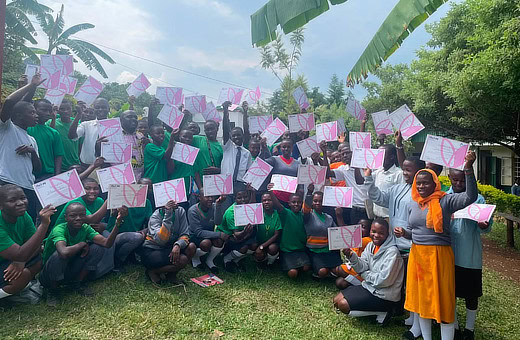
The clearest sign this is lasting: knowledge keeps spreading past the original garden sites.
People trained through the Life Gardens program are now teaching others, helping households start their own gardens and adopt water-conserving techniques.
Schools have built the gardens into their ongoing programming, and local leaders continue to support and monitor them. As more families apply what they’ve learned at home, the impact extends beyond the original 15 gardens to strengthen the whole community’s capacity to withstand future dry spells.
For Acts for Water, Life Gardens have become a way to connect water stewardship, food production, education, and climate resilience in one place. That all 15 gardens kept producing through drought shows what local knowledge and the right growing techniques can do.