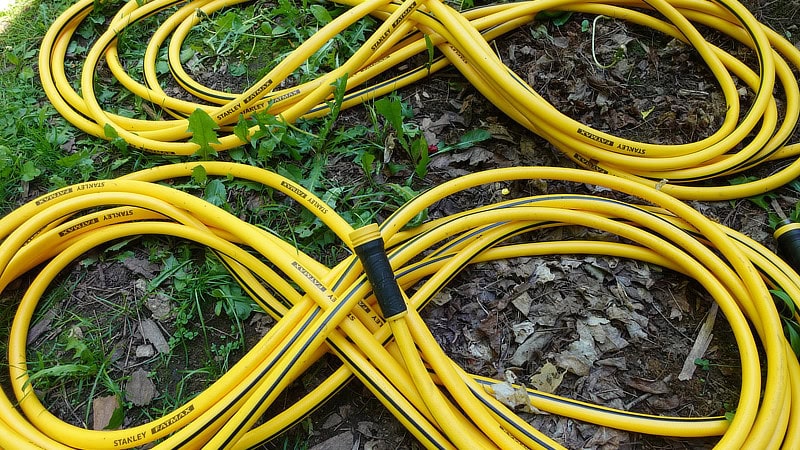
Welcome to our free online course on how to grow your own food at home.
My name is Phil Nauta. I grew up working for my parents in their garden centre in the 1990s.
Since then, I’ve worn many hats in the gardening world, mostly centred around showing people how to grow their own organic, nutrient-dense food.
My goal in the garden is not only to grow food, but to grow food that is substantially more nutritious than any food I can buy.
I just moved into this house, so I’m starting again from scratch. The first order of business is to get some food growing near the house.
So let’s get into it…
The five chapters of the course are up above (Intro, Soil, Planning, Planting, and Maintenance), and the lessons of each chapter are in the tabs (Notes From Phil, etc.).
If you’d like to know a little more about the course before you dive in, read on below.
Many people grow their own food to save some money or to get better flavour – and those are great reasons.
But few people realize what may be the most important reason: That with a bit of know-how, it’s possible to grow food that’s many times more nutritious than any food you can buy.
That nutrition can go a long way to preventing everyday illnesses (like the common cold and the flu) and even the leading causes of death, like heart disease & cancer.
Growing a little food isn’t that hard, but growing food that is nutrient-dense enough to improve your health requires more knowledge.
That’s why I created this online video course. Please click the “Why, Where, How” tab above to continue.
Why grow your own food?
My goal in the garden is not only to grow food, but to grow food that is substantially more nutritious than any food I can buy.
Even if you’re lucky enough to shop at a local, organic farmer’s market, most farmers can’t put the effort into growing food that’s as nutritious as what you can grow yourself.
Depending on which nutrient we’re measuring, food grown today is 20-80% lower in nutrition than it was in the 1940s, and with some knowledge and practice, you can get these nutrients back into your food.
Many human health problems are the result of nutritional deficiencies, and nutrient-dense food is medicine. It’s a great thing to have your own medicine outside your kitchen door.
Where to put the garden?
The best place for a food garden is in full sun, in good soil, near a source of irrigation water, and close to the kitchen so you can pick a few things to stir into breakfast or dinner.
Of course, you may not have full sun, good soil, and a hose all close to the kitchen, so there’s often a compromise to be made, but as you walk around your yard, those are some things to consider.
And yes, there are caveats.
If you live in a particularly hot climate, your plants may actually appreciate a little afternoon shade.
If you live in a cold climate, you may choose a gentle, south-facing slope where the snow is always the first to melt in the spring, knowing the soil may not be as good there, but with work, you can improve it.
How big should the garden be?
A single bed with a width of 4-5 feet is about right because it makes efficient use of space while still allowing you to reach into the middle of the bed without trampling your plants, but depending on the size of your yard, you may choose to deviate from that.
Bed length is entirely flexible.
If you build multiple beds next to each other, you only need 1-foot-wide paths between them for walking, although if you plant right to the edge of the bed, the foliage of many plants will spill out to the paths, so your 1-foot path may gradually disappear. If you need to fit a wheelbarrow, 3-foot paths may be needed.
As for overall square footage, I recommend starting small. A big garden can easily get away from you, overrun with weeds or too many plants needing your attention at once.
You might start with one bed in the first year and double the square footage each year until you get to what works for you.
You can grow most of your food with a few thousand square feet of densely-planted beds, but even with a couple of hundred square feet, you can grow a nice amount of medicinal food.
Today, I’ll be building two 4’ x 7’ beds because that’s what fits into my space.
Some people say the ideal orientation of a garden is to have the long side running north to south, because the plants will all receive more equal light. However, I’ve oriented my beds in various directions, and it has always worked out fine.
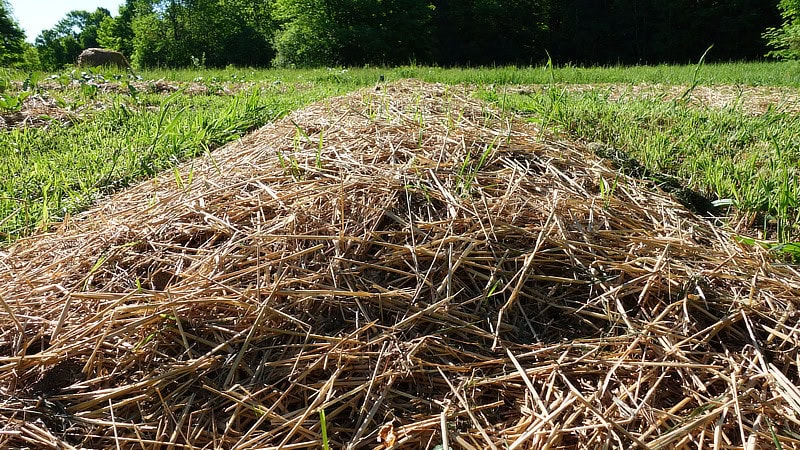
Broadly speaking, I think about my garden in 3 stages:
- Preparing the bed.
- Planting.
- Maintenance.
Preparing the bed
Preparing a new bed can occur at any time of year when the ground is workable.
It especially seems to happen in spring, a couple of weeks before the average last frost date, because that’s when we tend to think about getting the garden ready.
That said, you may build a bed in the summer to prepare for a fall garden or in the fall so it’s ready for peas the following spring (peas prefer to be planted as early as possible, as soon as the soil can be worked).
Later, I’ll be sharing a few ways to prepare your bed.
Planting
Planting can occur throughout most of the growing season, but there are a few key moments.
Many people start seeds indoors in late winter, 4-8 weeks before the last frost, to have the plants ready to plant out when warm weather arrives. That means seeds are often ordered in mid-winter.
For some people, indoor seed starting may continue throughout the spring and summer, allowing them to always have something ready to plant in the garden as other crops are harvested.
Then there is sowing seeds directly into the garden, which typically occurs over a 1-2 month period during spring but may continue throughout the summer with certain seeds.
Maintenance
The main tasks here are fertilizing, watering, pest management, harvesting, and seed saving.
Most of these issues can occur throughout the growing season.
Some fertilizing is done only once or twice a year, while other applications are made monthly or even weekly. Watering is done at least once a week and sometimes daily.
Pest management is an ongoing process of observation, prevention, and occasional intervention.
Harvesting typically begins in spring and may continue into winter. Most seed saving happens in the summer and fall.
But it all starts back with the soil, so that’s where we’ll start, too. Please click on the ‘Soil’ link near the top of the page to continue.